

2.8K
Downloads
41
Episodes
Conversations with writers and authors, historians, and everyday voices about history, craft, resilience, and place
The Wandering Pen is an eclectic podcast about history, writing, resilience, and the places and stories that matter. Each week, Christine Musser speaks with writers and authors, historians, and everyday voices who share journeys of creativity, struggle, and discovery. Together, we explore how books, personal stories, and history shape the way we understand our world—and ourselves.
Episode examples:
Between Verses and Translations: Nancy Jean Ross on Crafting Literary Bridges
Writer and translator Nancy Jean Ross shares how poems cross borders—and what gets lost or found along the way. A practical talk on voice, revision, and choosing what to keep.
Description:
Nancy Jean Ross—writer, translator, and editor—walks through her approach to translation as creative writing: reading for music, carrying tone across languages, and shaping drafts for clarity without flattening meaning. We talk daily practice, revision tools, and how translators become co-authors in the best sense.
Suggested chapter markers:
-
00:00 Why translation is writing
-
08:40 Finding voice across languages
-
20:10 Revision tools & workflow
The Peebles' Homestead: A Piece of Pennsylvania’s Past Worth Saving
A Pennsylvania homestead with stories in every beam. Why places like this matter—and how ordinary people can help save them.
Description:
We explore the history and preservation of the Peebles’ Homestead—architectural details, family records, and the community ties that make a site worth protecting. Practical steps for partnering with local historians, documenting a property, and telling a place’s story so others care, too.
Suggested chapter markers:
-
00:00 The Peebles story & timeline
-
10:15 What “worth saving” really means
-
22:30 How to start a preservation effort
Walking It Off: Grief, Faith, and Self on the Camino de Santiago
A pilgrimage for a broken heart. What the Camino teaches about loss, endurance, and coming home to yourself.
Description:
A candid conversation about grief, resilience, and walking the Camino de Santiago—from blisters and solitude to small encounters that changed the journey. We talk journaling on the trail, the role of place in healing, and how storytelling turns pain into meaning.
Suggested chapter markers:
-
00:00 Why the Camino, why now
-
12:05 Journaling and memory on the move
-
25:30 What healing looked like afterward
Episodes
Mar 8, 2025
Mar 8, 2025
47 min

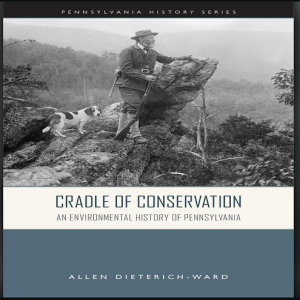
In Episode 10, host Christine Musser welcomes historian and author Dr. Allen Dieterich-Ward to discuss his latest book, Cradle of Conservation, published by Temple University. They explore Pennsylvania’s pivotal role in the conservation movement, highlighting influential figures such as Benjamin Franklin, Joseph Rothrock, and Myra Lloyd Dock.
During the episode, DW explains the significance of the Meadowcroft Rock Shelter. This archaeological site reshaped the understanding of early human habitation in the Americas. He also discusses why he included Native American creation stories in his book, emphasizing their importance in providing a more balanced and inclusive historical perspective.
Pennsylvania’s environmental movement, from the early conservation efforts aimed at sustainable resource management to the broader environmental movement, emerged in response to industrial expansion. He highlights the role of transportation, particularly railroads, in shaping Pennsylvania’s landscapes and contributing to widespread deforestation.
The conversation shifts to the post-industrial period, during which DW shares the ongoing challenge of balancing economic development with environmental protection in present-day Pennsylvania. He also emphasizes the ecological consequences of industrial activity, including the infamous Denora smog disaster and the lasting impact of the Centralia mine fire.
For those interested in Pennsylvania’s environmental history, Cradle of Conservation offers a compelling and accessible narrative. Listeners can learn more about the book, find information on upcoming author events, and explore Pennsylvania’s conservation heritage at PA Conservation Heritage

Mar 4, 2025
Mar 4, 2025
47 min
Join Christine Musser and Cliff Brackett for a thoughtful, honest discussion on The Art and Craft of Writing. Cliff will share details of why he is on a mission to complete his book, The Garden Collection of Short Stories. This conversation is for every writer, no matter what stage they are at in the writing process.
Writers and those considering writing will find practical insights in Cliff’s journey as he learns about the writing process, finding a voice, crafting a piece of good writing, and the challenges of writing. He will share his thoughts from books about writing, Francine Prose, Reading Like a Writer, Strunk and White, Elements of Style, Leon Surmelian, Techniques of Fiction Writing, and compare the writing styles of well-known authors Ernest Hemingway, Flannery O’Connor, and John Steinbeck.

Feb 20, 2025
Feb 20, 2025
30 min
Join Christine Musser in episode eight of the Wandering Pen Podcast as she welcomes the inspirational speaker and thought leader Noralee Cole. With over 25 years of experience, Noralee shares her mission to guide individuals toward becoming the stars of their own lives through intentional actions and creating a meaningful legacy.
In this engaging conversation, discover the transformative power of the DASH concept, an acronym for Discover, Appreciate, Share, and Harness. Explore how shifting from a bucket list to a DASH list can revolutionize your perspective on life, focusing on what truly matters right now.
Delve into Noralee’s moving personal stories and practical advice on integrating these principles into daily life, highlighting the transformative impact of mindfulness, gratitude, and kindness. Noralee’s advice is not just theoretical, but practical and applicable to everyday life. Learn how simple acts can lead to significant changes in mindset and fulfillment.
Embark on a self-reflection and intentional living journey that resonates through every moment. This episode offers enlightening insights for those ready to embrace their DASH and leave a lasting legacy, inviting you to be introspective and contemplative.
Feb 13, 2025
Feb 13, 2025
47 min
In this captivating episode, host Christine Musser welcomes Melanie Stark, a remarkable writer and educator, to delve into the profound and personal narrative of an adoptee’s experiences. Melanie, acclaimed author of "Leadership with Love," opens her heart to share her intimate journey navigating the complex dynamics of adoption.
With wisdom and vulnerability, Melanie recounts her childhood in a strictly religious environment, growing up feeling different and searching for her true identity. As she reflects on life within her adoptive family and the Mormon community, listeners are taken on a heartfelt exploration of genetic mirroring, family complexities, and the journey to self-acceptance.
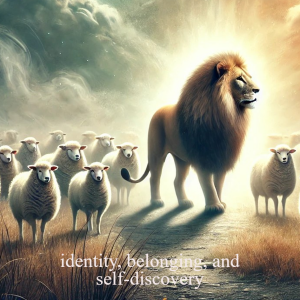
The conversation weaves through Melanie’s unique perspective, illustrating the raw and often misunderstood realities of being an adoptee. She narrates her journey of spiritual evolution, her courage to love authentically, and her mission to foster genuine understanding through her upcoming fantasy novel—a tale of a lion raised among sheep, exploring themes of identity and belonging.
Join Christine and Melanie for an emotional and enlightening discussion about the layers of an adoptee’s identity and the universal quest for belonging and unconditional love. Melanie’s story invites us to look beyond appearances and nurture the pure, authentic connections that bind us.

Feb 4, 2025
Feb 4, 2025
48 min
On Monday, January 27, 2025, I sat down with Kathleen DuVal to discuss her book Independence Lost: Lives on the Edge of the American Revolution. Dr. DuVal, a North Carolina Chapel Hill professor, highlighted her book about the American Revolution in the Gulf Coast and the Mississippi River Valley, the little-known story that students and adults know little about. It involved Spain and France’s support of the American Patriots. Without their support, we may not have won our independence from Great Britain. She will also share about the 18th-century hurricane season and how it affected those fighting the war.
Dr. DuVal uncovers the story of enslaved Petit Jean. He spied and carried messages for the Spanish around Mobile (in present-day Alabama) and who achieved his freedom in the new United States.
Oliver Pollock, who designed the dollar sign, drew me to her book and to have this discussion with her. This merchant worked for Robert Morris, a signer of the Articles of Confederation and the United States Constitution.
Pollock, who arrived in 1760 from Northern Ireland, settled in Cumberland County, Pennsylvania. In 1763, he traveled to Philadelphia, where he began his work with Morris as a merchant. Through his work as a supply and enslaved person merchant, he accumulated what would be, by today’s standards, a million dollars. During the Revolutionary War, the Continental Congress made him a war agent, as did Thomas Jefferson, the Virginia governor. With his close relationship with Louisiana’s governor, Bernardo de Gálvez, he used his funds to support the war.
Afterward, in the 1780s, he moved back to Cumberland County and lived in the houses that remain today behind Best Buy in Silver Spring Township. The tavern he owned sits near the REI store in Hampden Township, where a Pennsylvania Historical and Museum Commission marker recognizes his essential support for the American Revolution.
This is an amazing book that details the lesser-known story of the American Revolution that every American should know about.
**Correction - Host Christine Musser misspoke when she said Robert Morris signed the Declaration of Independence. She should have said the "Articles of Confederation."

Jan 30, 2025
Jan 30, 2025
55 min
Mj Pettengill is an author and social historian with a focus on cultural narrative and traditions, historical and intergenerational trauma integration, ancestral healing, and social welfare development.
She has a background in Civil War Musicology and trumpet performance. Before transitioning to the world of writing, she performed as a soloist with various musical organizations and featured in numerous Living Histories, Reenactments, and Historical Events throughout the Northeast.
Aligned with her passion for nature and the ancient healing customs of her ancestors, MJ practices the art of gathering and preparing wild food and plant medicine.
She creates in her woodland studio on a farm nestled deep in the wilds of New Hampshire.
Mj completed undergraduate studies in social history, theology, music, and psychology. She has an MFA in creative writing.
Website: https://www.mjpettengill.com/


Disclaimer: The views expressed by guests are their own and do not reflect the views of the host or The Wandering Pen unless explicitly stated during the interview.
**Pastorale by PeriTune | http://peritune.com
Music promoted by https://www.free-stock-music.com
Creative Commons Attribution 3.0 Unported License
https://creativecommons.org/licenses/by/3.0/deed.en_US

Jan 29, 2025
Jan 29, 2025
31 min
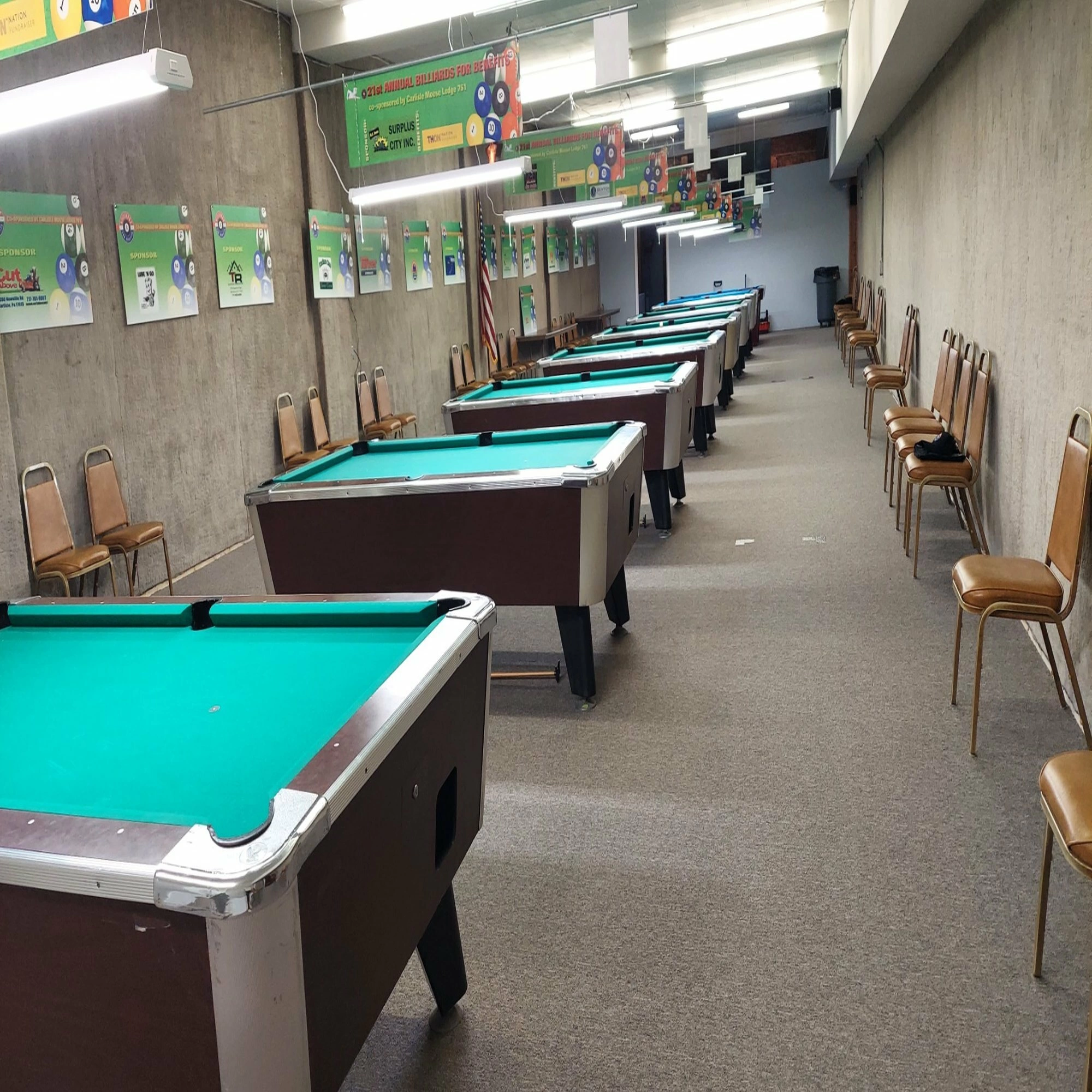
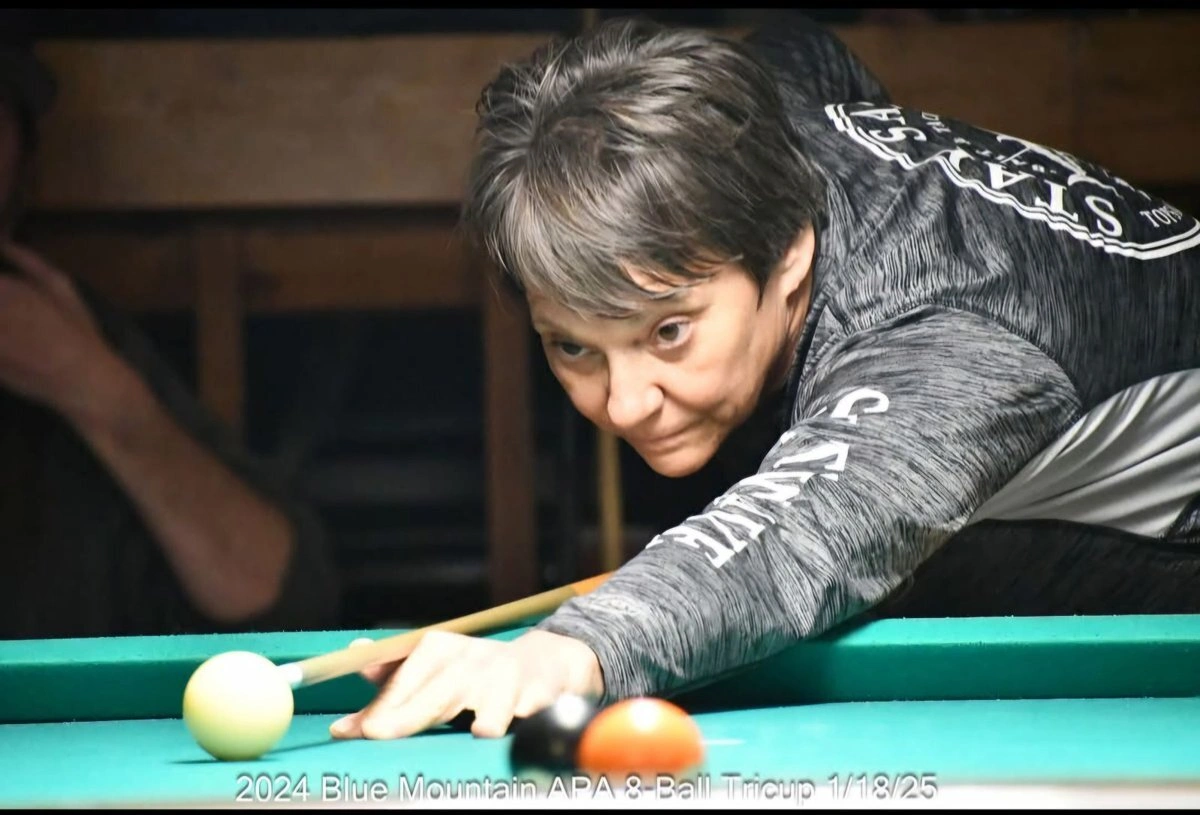
If you liked the movies Cool Hand Luke or The Color of Money, you would enjoy participating in Billiards for Benefits. Listen to the podcast and learn that it’s not just about playing pool . . .
This podcast took place on Sunday, January 26, 2025. My guest is Tracee Clepper.
Tracee and co-founder Lisa Kochenauer started Billiards for Benefits in 2001 to raise funds and awareness for local charities in Central Pennsylvania. Some charities they helped are Juvenile Diabetes, Hospice of Central PA, Nicholas Ryan Over Foundation, and Leukemia & Lymphoma Society.
Since 2001, they’ve raised approximately $100,000.
Website - Billiards for Benefits
Facebook - Billiards for Benefits - Playing Pool to Make a Difference






Jul 14, 2023
Jul 14, 2023
25 min
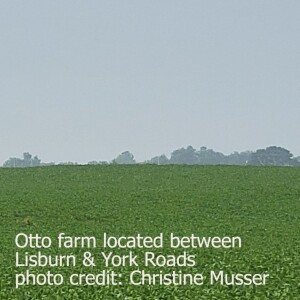
 On July 11, 2023, Christine Musser interviewed Ivo Otto III. Mr. Otto is an attorney with Martson Law in Carlisle, PA. His family held the record in Pennsylvania for the best milk production. The Otto family farm is located in South Middleton Township, Cumberland County. Parts of the farm have been sold off for industrial and residential development.
Disclaimer: The views expressed by guests are their own and do not reflect the views of the host or The Wandering Pen unless explicitly stated during the interview.
**Pastorale by PeriTune | http://peritune.com
Music promoted by https://www.free-stock-music.com
Creative Commons Attribution 3.0 Unported License
https://creativecommons.org/licenses/by/3.0/deed.en_US
Jun 26, 2020
Jun 26, 2020
38 min
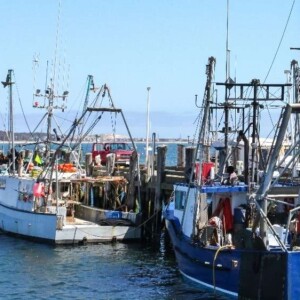
Martavis Washington grew up helping his dad bring in blue crabs from the Chesapeake Bay. In Episode 3, Martavis shares how the role of the commercial fisherman spanned three generations of the Washington family from Grasonville, Maryland.
There is something special about the craft of a Chesapeake Bay Waterman (the local term for commercial fisherman). It takes years of experience just to learn to tie the trotline, which Martavais will explain.
I knew nothing coming into the interview, but by the end of the podcast, I had respect for the hard work and long days the watermen had. Their job is similar to that of a farmer.
The life of a commercial fisherman in the Chesapeake Bay is a dying art. Someday, the stories will remain.
Disclaimer: The views expressed by guests are their own and do not reflect the views of the host or The Wandering Pen unless explicitly stated during the interview.
**Pastorale by PeriTune | http://peritune.com
Music promoted by https://www.free-stock-music.com
Creative Commons Attribution 3.0 Unported License
https://creativecommons.org/licenses/by/3.0/deed.en_US
May 24, 2020
May 24, 2020
20 min
Welcome to the Wandering Pen monthly Podcast where you will find interviews on a variety of topics - from travel, wildlife conservation, the environment, writing & publishing, fine arts, and history just to name a few. I am Christine Musser, your host.
Welcome to -
Episode 2 - The Environment and the Chesapeake Bay.
HOST: Today’s podcast occurred on July 3, 2019. I had the opportunity to interview Emily Thorpe from the Chesapeake Bay Foundation’s Pennsylvania office. Emily is the Pennsylvania Student Leadership Coordinator and Supervisor of the Student Action and restoration program at the Foundation.
Let’s start with why Cumberland County is important to the Chesapeake Bay. I guess is that it has to do with the Conodoguinet and the Yellow Breeches Creeks?
EMILY: The Cumberland Valley is primarily drained by the Conodoguinet Creek and the Yellow Breeches Creek, those are both tributaries of the Susquehanna. The Susquehanna puts up to 50 percent of all of the freshwater draining into the Chesapeake Bay each day. And it’s the largest single tributary to the Chesapeake Bay, so, um, all of our tributaries to the Susquehanna are important, but our two here in Cumberland County are especially important. The Yellow Breeches is known for being a world-class trout stream. A lot of people frequently are fishing on the breeches. Then the Conodoguinet is also a recreational hub for kayakers and canoeists, um, and it does have some impairments, ah, mostly sediment, um, and nutrients, high nutrient levels. Some of that is due to agricultural lands, but it’s also due to development along the shores.
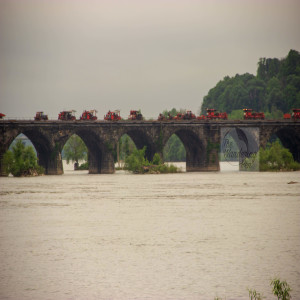
Photos of the Yellow Breeches & Conodoguinet Creeks and the Susquehanna River
HOST: Ok. Now when you said about the sediment - can you just talk a little bit about the drainage from those?
EMILY: Sure. So, whenever it rains water hits the land and if we had an intact forest ecosystem those trees the leaves and branches and all of that would capture a lot of that water before it would ever reach the ground and then once it was to hit in the forest it would generally be absorbed by the trees and the other plants growing there. Because we’ve altered the land use in our area we maybe don’t have those natural filters to absorb as much as the water when we do have rain events, so, what happens is the rain hits the ground, and it carries with it nutrients coming from say your lawn fertilizer, or, um, manure, or even fumes from car exhaust it carries those nutrients and sediment, being soil, into our waterways and that can cause issues for the animals as well as the plants that live in our waterways.
HOST: What is – how are the waterways in the Cumberland Valley/Cumberland County area, um, compare to, um, other creeks throughout Pennsylvania? Can you, is that an easy question to answer or?
EMILY: It’s not really an easy question to answer (chuckles) –
HOST: I didn’t think it would be but . . .
EMILY: Some parts of our streams may be higher quality, and then as you move down the stream, you may see land-use changes tend to have of an effect. So, the confluence of the Conodoguinet and the Susquehanna River was actually designated as impaired even for recreation, um, just a few years ago, um, and I don’t know if that still stands, but that’s something, ah, that DEP - Department of Environmental Protection – they’re responsible for assessing our waterways and determining what impairment status they have – so, they can be impaired for aquatic life, they can be impaired for drinking water, and then they can be impaired for recreation. So, DEP list, ah, list those impairments and they actually divide it up into different sections of the waterway, so, it can be challenging, um, to determine what the overall stream health is for any given waterway that’s something I would want to defer to the staff scientist on.
HOST: Ok. Let’s go ahead and get with, since you work directly with students and the education, just what exactly is that you do with students to help them, I guess to educate them, what ages do you work with, can you just give us some detail of that, please?
EMILY: Sure, so, um, the Chesapeake Bay Foundation actually operates over fifteen environmental education programs throughout the watershed – Maryland, Pennsylvania, and Virginia is where all of our programs are. Here in Pennsylvania, we have three education programs. One is our Susquehanna Watershed Environmental Program. It’s a canoe based program that gets students out, usually on their local waterways, um, canoeing and learning about their watershed, looking at the water chemistry and the macroinvertebrates or the aquatic insects that are living in the stream, ah - and then the other program that we have is the Student Action and Restoration Program, and it’s actually new this year. The canoe program has been around for twenty-nine years, but this program is brand new, and we’re working with land conservancies and other non-governmental organizations as well as governmental organizations like DCNR [Department of Conservation and Natural Resources] and state parks to provide environmental education programming at their sites, so, we’re actually bringing our educators to field sites that are managed by partners, and we’re working with students to learn a little bit about land use and how that affects water quality and then we’re actually charging them to taking action; we’re teaching them how they can take action either in their school or their home community to restore some of our waterways; so we give them the skills and training that they need to be able to plant trees or to remove invasive species or plant conservation landscaping such as native plants. So, they are some examples of the types of action projects we are doing on the Student Action and Restoration Program. All of our programs are open to grades 6 through 12, and so, we’re primarily working with middle and high school students.
The third that we have in Pennsylvania is a little bit different – it’s called our Student Leadership Program. That’s the program that I’m primarily responsible for, and so, I’m working with high school students out of schools; our other two programs, um, work directly with school groups, you could think of it kind of like a field trip or a field, we say field experience. Our Student Leadership Program is working with students outside of the school settings, so these are students that have decided that they want to take their interest in environmental issues here in Pennsylvania to the next level.
You might be familiar with that program thanks to its work designating the eastern Hellbender as the Pennsylvania State Amphibian that was a project that came directly out of our Student Leadership Program and was led by our high school student leaders, um, but these students are also taking action in their own communities in many other ways. They’re actually leading and hosting plantings for other students and community member; they’re restoring rain gardens; they’re leading environmental awareness days at their own middle and high schools, so, they’re really deciding what it is they want to do, what kind of contribution they want to make. Our program provides them with the support and resources and training to be able to make that happen. Then, so, that program runs throughout the entire school year, but we’re getting ready to kind of kick off our new year with our student leadership summer courses which are five-day intensive program. We’re traveling, overnight, visiting the most beautiful places that our watershed has to offer to get inspired and to meet with partners to learn about how we can help to support their efforts as well.
HOST: I know that when I talked to you earlier, you were planning on actually and preparing to go away – to head out on Monday [July 8], I believe –
EMILY: On Sunday, yep –
HOST: And where exactly are you going?
EMILY: Yeah, so this course is traveling primarily throughout the Pennsylvania Wilds Region. So, we’re introducing students, I say, to all the amazing natural resources that our state has to offer. It’s like the grand tour of Pennsylvania. So, I wish we could hit everything, but, um, we will be canoeing on the West Branch of the Susquehanna; We’ll be learning about Hellbenders with a professor from Lycoming College; up at Sinnemahoning State Park we will be working with Trout Unlimited to assess a small stream in the PA Wilds Region for aquatic life; we’ll be learning to fly fish, a quaint official Pennsylvania hobby, we’ll be visiting the Elk County Region, hopefully, see some Elk and go to the visitors center – there we’ll learn about that restoration and conservation success story; then we will end our week at Penn State Arboretum and then Alan Seeger Natural State Forest where there stands an old-growth Hemlocks.
So, it’s kind of a whirlwind six days, um, but students usually leave feeling really inspired, really motivated to take action, and really appreciative of the beauty of their home state and all that it has to offer.
HOST: Ok, for any, um, parent of students who have interest in, you know, the environment and the Chesapeake Bay and the waterways here in Pennsylvania, how do they get involved in this? Can you just give a little bit of detail as to, you know, if a student would want to take on of these trips or adventures?
EMILY: Sure, so, if there are any teachers or school groups that are interested in our field program, I would say that you could visit our website, which is cbf.org/apply, and that’s where you can find all the information about our field education programs. For students that are interested in Student Leadership, you can find on our website cbf.org/studentleadership information about our programs as well as ways to connect with us, and one of those ways would be to email slcoordinator@cbf.org. That’s one way to get connected with us there or on the website. The applications for our summer programs it’s actually fairly competitive process, and they go live as early as March. So, we’ve had students that have applied in March and are ready to go for their programs coming up next week and again at the end of July and again in mid-August. So, we have three courses this year for students. I say courses because they really are intensive and we’re providing students with skills and training and coaching to develop their own action plans, and our expectation is that they do everything that they can to implement them throughout the school year so, we’re going above and beyond this five-day experience. All the information about our program is on the website. What we do, if say a student is interested in getting involved now and they’ve missed the deadline for summer courses that’s fine it’s a year-long program, so we do host Student Leadership Council meetings once a month in Harrisburg, but it’s also available remotely for students that live outside the area. We also offer Student Leadership Confluences both in the Fall and in the Spring, and those are three-day skill and professional development experiences for students.
HOST: Does any this help them when they apply for college or does it help them to get into a particular school, they would like to major in with the environment does this help in any way?
EMILY: Yeah, absolutely. We offer all of our student leaders college recommendations if they would like them or if they would need them. We have also written job recommendations for some of our students. We have student leaders at Penn State University studying natural resources; we have a student leader getting ready to head to Mansfield University for Geoscience; Salisbury University in Maryland for Environmental Science or Environmental Studies. So, yeah, many of our students are pursuing those college degrees and eventually those career paths even, but not all of them. Some students decide to go to school for something completely different, but they’re totally aware now they’re more environmentally literate citizen of the watershed and that they can make informed decisions, but yes, I would say our program absolutely helps students with applying to college, with getting into university and we do maintain connections with some universities. I mentioned that we are working with a professor from Lycoming, so we do try to facilitate those kinds of introductions through our program as well.
HOST: I think that is all the questions I have right now. Is there anything that I didn’t ask that you would like to include?
EMILY: Education is just one portion of our work at the Bay Foundation. I would also give a shout out to our environmental protection and restoration team. They are doing a ton of work, especially in supporting our new Keystone 10 million Trees partnership. And that’s an effort to plant 10 million trees with the help of many, many partners to plant 10 million trees across the state of Pennsylvania by 2025, and that is directly in response to the Chesapeake Bay clean up goals set forth by the Environmental Protection Agency. So, we’re working with partners around the state on education, and our Environmental Restoration team is working with partners around the state on planting trees and making sure that we have those in place to protect our water resources. If folks are interested in learning more about that, you can find that on our website as well or tenmilliontrees.org.
HOST: As I said earlier, there is a Chesapeake Bay Foundation right here in Harrisburg, so it’s not like they have to connect Maryland. Do you or anybody locally go into schools to talk with science classes?
EMILY: We don’t do a lot of in-school visits, and that’s because our primary motto in the education department “learn outside.” So, we believe in learning about natural resources actually outside where they exist. With that being said, we do offer mentors in the agricultural conservation program, which is designed specifically for students in agricultural science or FFA. So, we will do in-class visits to meet with those students, and then that program actually pairs them with our field restoration staff. So, folks that are working with farmers to plant trees and so we go out for a day in the field jobs shadowing experience following our in-class visit to the school. For the most part, we are not in schools, but we do meet with teachers, school administrations regularly so if you’re an administrator and you’re interested in learning more about our programs, please reach out, and we would be happy to come and meet with you and discuss that, as well.
HOST: Great, great – ok, anything else?
EMILY: Not that I can think of.
HOST: Ok. I want to thank you for chatting, and I’m looking forward to hopefully talking to you again and after this adventure and seeing what all the students got to see and do and everything and how it all went.
EMILY: Yeah, absolutely.
HOST: If you have any questions for Emily or you want to find out more about her program, you can reach her at ethorpe@cbf.org.
Well, that is it for this week’s podcast. Thanks for listening, and be sure to tune in next week. And, if you want to learn more about The Wandering Pen check out www.thewanderingpen.net there, you will also be able to purchase my book, Silver Spring Township, which is part of Arcadia’s Images of America series.
Till next time – take care and– try to at least learn something new every day.
# # #
Learn more about the Hellbender
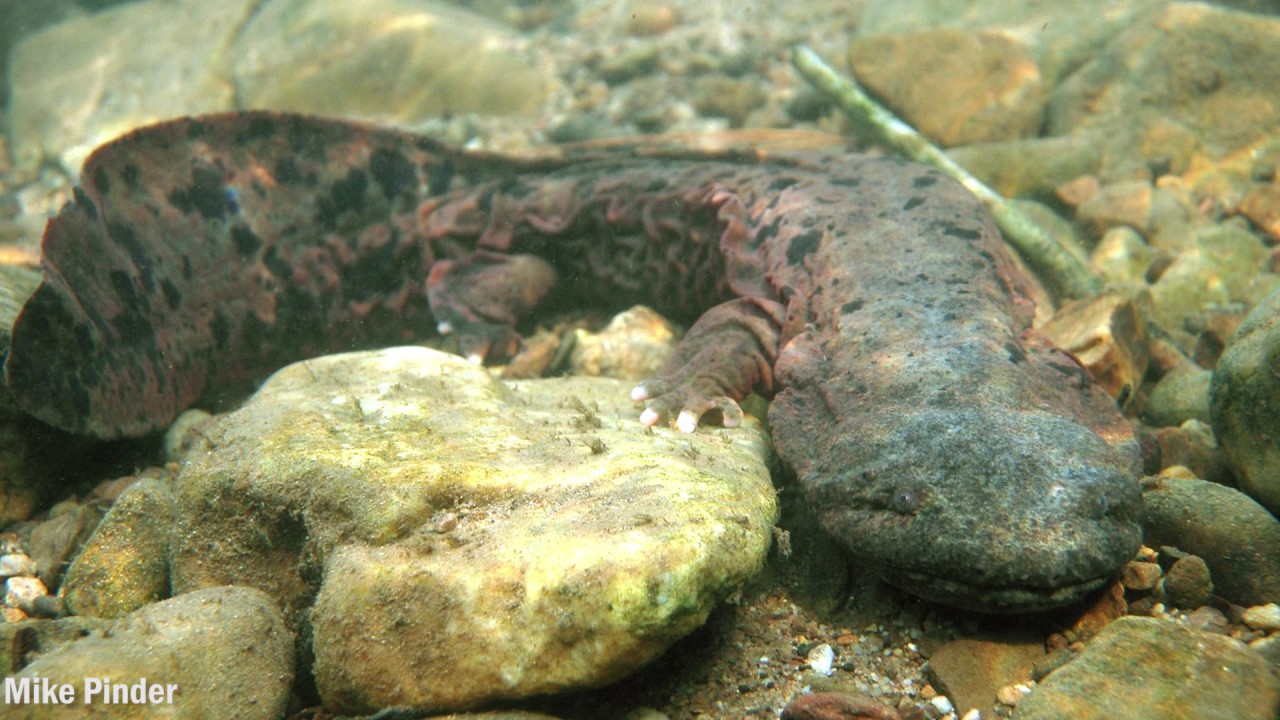
Photo Credit: Mike Pinder
Photo captured from Chesapeake Bay Foundation YouTube Channel
Disclaimer: The views expressed by guests are their own and do not reflect the views of the host or The Wandering Pen unless explicitly stated during the interview.
**Permission statement for the use of music:
Pastorale by PeriTune | http://peritune.com
Music promoted by https://www.free-stock-music.com
Creative Commons Attribution 3.0 Unported License
https://creativecommons.org/licenses/by/3.0/deed.en_US